Pet food testing guide
Can your pet food pass the test?
A guide to pet food testing in laboratories
This guide covers what to test, why it matters, and how a NABL-accredited laboratory supports quality and compliance. “Safe for pet feeding.” “Complete nutrition for your pet.” Every batch is a promise to the pet owner — and pet food lab testing is how a manufacturer proves it.

Why pet food lab testing matters
As India’s pet care market continues to grow, pet parents are becoming more conscious about what goes into the food they choose for their pets. For anyone making dry kibble, wet food, treats, or edible chews, laboratory testing is the practical way to back up quality claims with evidence.
Regular pet food lab testing helps a manufacturer:
- Confirm that products are safe and free from harmful contaminants
- Verify that nutrition on the label matches what is actually in the product
- Keep quality consistent from one batch to the next
- Build trust with retailers, distributors, and pet owners
- Support compliance with applicable standards and import requirements
Understanding India’s evolving pet food regulations
With India’s pet food industry continuing to grow, BIS has already taken its first steps towards setting standards for pet food.
- BIS IS 11968:2019 sets out specifications for the manufacture and labelling of dog and cat food. For domestic manufacturers, following this standard is currently voluntary rather than mandatory.
- Even where specific rules are limited, manufacturers are expected to follow good manufacturing and quality practices and to comply with applicable consumer-protection and animal-welfare laws.
- Imported pet food of animal origin is additionally covered by the Pet Food Products of Animal Origin (Import into India) Order, 2008, which sets out veterinary certification and quarantine requirements to keep animal diseases out of the country.
Because formal rules are still developing, routine laboratory testing is one of the clearest ways to show a genuine commitment to responsible manufacturing and product safety.

Global best practices for pet food safety
International frameworks such as the U.S. Food Safety Modernization Act (FSMA) take a preventive approach — stopping problems before they happen rather than catching them afterwards. The core ideas are worth adopting even where they are not yet required in India:
- Good Manufacturing Practices (GMP)
- Food safety systems based on HACCP (Hazard Analysis and Critical Control Points)
- Hazard identification and preventive controls
- Supply-chain verification
- Product traceability and recall readiness
- Routine laboratory testing and quality monitoring
Essential labelling requirements for pet food
A clear label helps pet owners choose well, improves traceability, and supports compliance. A well-designed pet food label should include:
- Product name and type (complete or complementary pet food)
- Intended animal species
- Manufacturer’s name and address
- Net quantity
- Batch or lot number
- Complete ingredient list
- Metabolisable energy
- Date of manufacture
- Best-before date
- Feeding instructions, where applicable

Key pet food lab tests
Pet food lab testing usually combines nutritional, microbiological, and contaminant analysis. The mix depends on the product, the raw materials, and the market it is sold into. Common tests include:
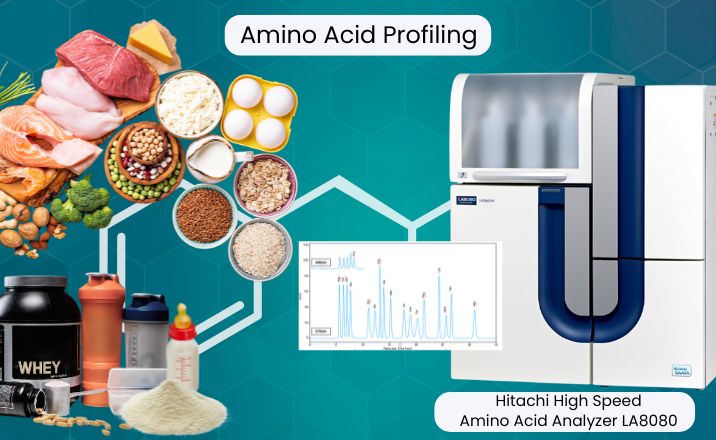
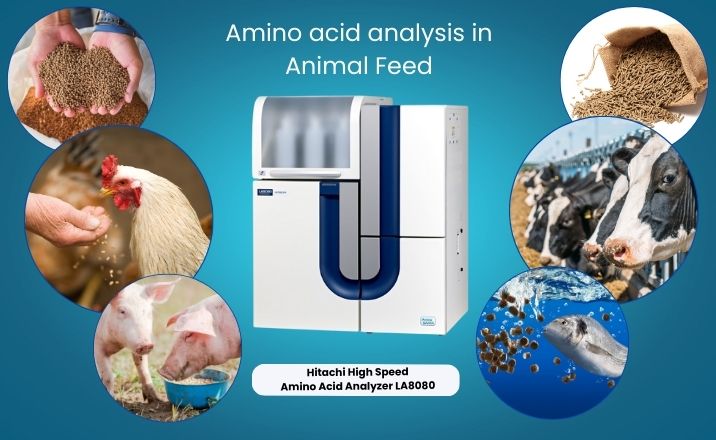
- Nutritional analysisProtein, fat, fibre, minerals, amino acids, and vitamins
- Proximate analysisMoisture and ash
- Microbiological testingSalmonella, E. coli, Listeria, and Enterobacteria
- DNA and authenticity testingConfirms the meat or plant species used
- Heavy-metal analysisLead, arsenic, mercury, and cadmium
- Mycotoxin testingAflatoxins and ochratoxins
- Pesticide-residue analysisScreens for residues from raw materials
- MelamineChecks for adulteration
Who needs pet food testing
Pet food lab testing is relevant across the supply chain, not only at the factory:
Manufacturers
For batch release and new-product development.
Importers
To meet import documentation and verify incoming consignments.
Private-label and start-up brands
To validate a contract manufacturer’s output and support label claims.
Distributors and retailers
For incoming-goods checks and complaint investigation.

Testing support at Envirocare Labs for pet food brands
Envirocare Labs provides analytical testing for pet food manufacturers, importers, private-label brands, and distributors. Our NABL-accredited (ISO/IEC 17025:2017) testing helps you evaluate product quality, verify compliance with applicable standards, support accurate labelling, and confirm that products are ready for the market.
Get your pet food tested and market-ready
Tell us about your product and what you need to check. Our team will help you build the right testing plan and share a quote.
Frequently asked questions
Is pet food testing mandatory in India?
Formal regulation is still developing. BIS IS 11968:2019 gives specifications for dog and cat food, and following it is currently voluntary for domestic manufacturers. Imported pet food of animal origin has additional import requirements. Even where testing is not mandatory, it is widely treated as good practice. (Please confirm the current regulatory position before relying on it.)
What tests does pet food usually need?
A typical programme combines nutritional analysis, proximate analysis, microbiological testing, heavy metals, mycotoxins, and pesticide residues, with DNA or melamine testing added where relevant. The exact set depends on the product and target market.
Which pet food products can be tested?
Dry kibble, wet food, treats, and edible chews for dogs and cats are all commonly tested, along with the raw materials used to make them.
Is Envirocare Labs accredited for pet food testing?
Envirocare Labs is a NABL-accredited (ISO/IEC 17025:2017) laboratory. To confirm which specific parameters should be tested in your product, please talk to our team.