Maharashtra FDA restaurant order 2026: why food safety compliance must now be proven, not assumed
A new state-wide order shifts the burden from holding a licence to proving safety — through regular testing and proper records.

The Maharashtra FDA (Food and Drug Administration) has issued a new order for food businesses. The message is simple: holding a FSSAI licence is no longer enough. You must now be able to prove that the food and water you serve is safe.
What is the Maharashtra FDA alert?
The Maharashtra FDA has asked food businesses across the state to move from “we have a licence” to “we can show our food is safe”. In plain terms, a licence proves you are allowed to operate. It does not, by itself, prove that today’s food and water are safe. This order closes that gap. It asks every food business operator (FBO) to keep test reports and records that back up the safety of what they serve.
Who does the alert apply to?
The order covers almost every kind of food service business in Maharashtra:


What has changed for restaurants?
Here is what is now expected of you, point by point:
- 1 A licence is not enough. You need proof — test reports and records — to show your food is safe.
- 2 Water testing every six months from a NABL-accredited or FSSAI-notified laboratory. This covers not just drinking water, but water used for the entire kitchen operations including cooking, making ice, washing vegetables and cleaning utensils.
- 3 Finished food testing every six months for microbiology, chemical, contaminants and toxins, additives, colours and adulterants.
- 4 Cooking oil monitoring. Degraded or repeatedly used oil must not be served. Keep an eye on Total Polar Compounds (TPC), which should stay within the permitted limit of 25%.
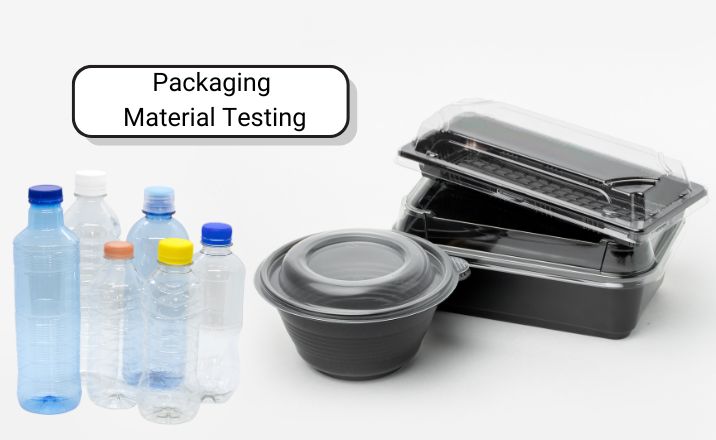
- 5 Food-grade packaging for takeaway and delivery — boxes, wraps, cutlery and containers must be safe for food contact.
- 6 Honest menu information — calories, allergens, veg or non-veg, and no false claims.
- 7 A ready inspection file that an FDA officer can check at any time, which will include your licence copy, reports, registers, medical fitness, training, oil monitoring and hygiene records.
Not sure where your restaurant stands?
Speak to our experts and get all your food safety and
compliance queries answered.

Your testing schedule at a glance
| What to test | How often | Why it matters |
|---|---|---|
| Potable (usable) water | Every 6 months | Used for the entire kitchen operations including cooking, making ice, washing vegetables and cleaning utensils |
| Finished food products | Every 6 months | Checks for microbes, contaminants, additives and adulterants |
| Used cooking oil (TPC) | Daily | Degraded oil is a health risk; TPC limit is 25% |
| Food-grade packaging | On sourcing / change of supplier | Food packaging must not pose any risk to the safety or quality of the food it contains |
Your compliance file: 10 things to keep ready
Keep one folder — physical or digital — with these documents, and update it as part of your daily routine:

Menu transparency: customers read more than the dish name
Customers will no longer just ask “is it tasty?” They will also ask “is it safe?”, “is it pure veg?”, “does it contain any allergens?” and “is this claim true?”. The order brings menu calories, allergen information, veg/non-veg labelling and honest claims into focus. This matters most for restaurant chains, cloud kitchens and delivery-first brands, where the customer can never see your kitchen but has to trust your declarations.
How to get ready without disrupting your kitchen
You do not need to bury your team in paperwork. A simple three-step plan works well:
- Do a quick gap check. Look at your water points, kitchen hygiene, storage, raw and cooked food separation, pest control, oil use, packaging and menu claims. Note what is missing.
- Build a six-month testing calendar. Group foods by risk and category — cooked meals, dairy sweets, bakery cream products, non-veg items, ready-to-eat foods, beverages and sauces. Each month, select representative items from each category for testing so that, over six months, your entire menu is covered. This approach keeps testing practical, systematic and affordable.
- Keep a live compliance file. Update reports and records as part of routine operations, so the folder is always ready for surprise audits.
How Envirocare Labs helps
Envirocare Labs is a FSSAI-notified, NABL-accredited (ISO/IEC 17025:2017) testing laboratory. Our restaurant compliance support is built to keep you inspection-ready. We help you understand what to test, when to test and what to do if a result is out of limit. Our support covers:
Potable water testing+
Finished food product testing+
Food-grade packaging testing+
Used cooking oil and TPC monitoring+
Hygiene swab testing+
Nutrition analysis and allergen mapping+
GHP/Schedule 4 gap assessment+
FDA inspection-readiness documentation support+
Get your restaurant compliance-ready
Connect with us today to avail exclusive offers on basic testing and compliance. Tell us about your outlet and our team will get back to you.
Frequently asked questions
What is the Maharashtra FDA alert about?
It is a state-wide order asking food businesses to comply with food safety through testing and records, not just hold a FSSAI licence.
Who needs to follow it?
Restaurants, hotels, dhabas, cloud kitchens, caterers, bakeries, sweet shops, juice bars, food courts, central kitchens and food aggregators across Maharashtra.
How often should a restaurant test water and food?
As understood from the order, potable water and finished food should be tested at least once every six months through a NABL-accredited or FSSAI-notified laboratory. Confirm the current requirement before you plan your calendar.
What is the TPC limit for cooking oil?
The Total Polar Compounds (TPC) limit for used cooking oil is 25%. Oil beyond this should not be reused. Please verify against the current regulation.
What happens if a restaurant does not comply?
Non-compliance can lead to fines, licence suspension or other action under applicable food safety rules.
Which laboratory can carry out this testing?
Testing should be done by a NABL-accredited or FSSAI-notified laboratory. Envirocare Labs is both, and supports restaurants with water, food, oil and packaging testing.
Safe food is safe business
This order is a reminder that food safety is a daily responsibility, not a one-time licence condition. Restaurants that test regularly, keep clear records and make honest declarations will not just comply better — they will compete better. In a market where now a single complaint can travel faster than a delivery rider, evidence-backed food safety is your brand’s only protection.
What tastes good should first test good.