India Proposes Ban on BPA & PFAS in Food Packaging — What It Means for the Industry
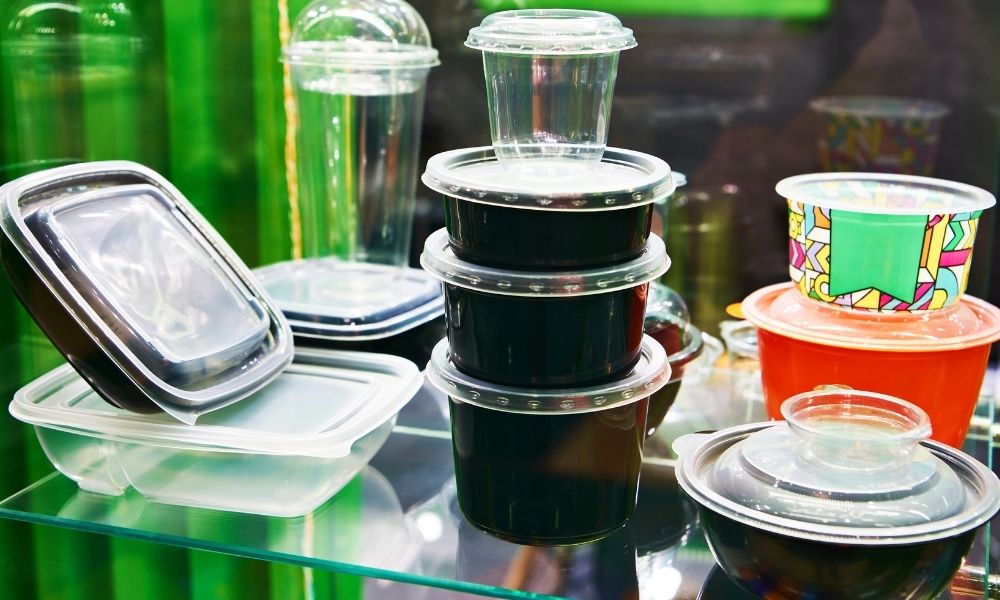
The Food Safety and Standards Authority of India (FSSAI) has proposed a major regulatory shift that could redefine food packaging safety in India. Through a draft amendment to the Food Safety and Standards (Packaging) Regulations, 2018, FSSAI aims to prohibit the use of Bisphenol A (BPA) and Per- and Polyfluoroalkyl Substances (PFAS) — two chemicals widely known for their adverse health and environmental impacts.
Why Are BPA and PFAS Under Scrutiny?
Bisphenol A (BPA) is commonly used in polycarbonate plastics and epoxy resins that line food and beverage containers. Research has shown that BPA can leach into food and beverages, posing health risks such as hormonal imbalance, reproductive disorders, and potential carcinogenic effects.
Similarly, PFAS, often called “forever chemicals” due to their persistence in the environment and human body, are used in grease-proof and water-resistant packaging materials. Studies have linked PFAS exposure to immune suppression, developmental effects, thyroid disorders, and increased risk of cancer.
While BPA affects human hormones, PFAS persists in nature; together, they represent two of the most concerning contaminants in modern packaging.
Global Context: A Move Towards Safer Packaging
India’s move aligns with global regulatory trends.
- European Union countries have already banned BPA in food contact materials following the European Food Safety Authority’s findings on immune system risks.
- In the United States, states like California have proposed PFAS bans in packaging and consumer products.
- The UK Food Standards Agency has also initiated public consultations on restricting bisphenols in food-contact materials.
By joining this international movement, India is taking a decisive step toward protecting public health and promoting sustainable, non-toxic packaging solutions.
What Does the FSSAI Draft Amendment Propose?
According to the draft notification issued on 6th October 2025, FSSAI mandates that:
- “Food contact materials manufactured with polycarbonate and epoxy resins shall be free from Bisphenol A (BPA) and its derivatives.”
- “PFAS shall not be used in the manufacturing of food contact materials.”
The authority has invited comments from stakeholders within 60 days of the notification date, signalling its commitment to inclusive and evidence-based policymaking.
Impact on Food Manufacturers and Packaging Industries
If the ban is finalized, it will require manufacturers, packaging producers, and food brands to re-evaluate their supply chains, reformulate packaging materials, and ensure compliance through validated testing.
This shift not only enhances consumer safety but also drives innovation in biodegradable, compostable, and chemical-free packaging solutions — a key aspect of India’s transition toward sustainable food systems.
How Envirocare Labs Can Help: PFAS Testing Solutions
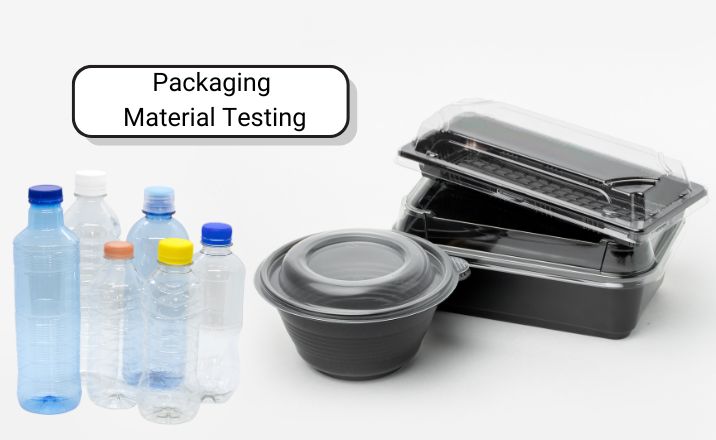
At Envirocare Labs, we understand that regulatory transitions can be challenging. With over 45 years of expertise in analytical testing and a NABL-accredited scope under ISO/IEC 17025, our laboratories are equipped with advanced instruments to detect, identify, and quantify PFAS compounds at trace levels in food contact materials, packaging, and environmental samples.
Our PFAS testing solutions help industries to:
- Ensure compliance with evolving FSSAI and international regulations.
- Evaluate and validate alternative packaging materials for safety.
- Demonstrate commitment to consumer health and sustainability goals.
We employ high-end analytical technologies like LC-MS/MS and GC-MS to deliver accurate, reproducible, and regulatory-aligned results.
Contact our team to ensure your packaging materials are ready for compliance.
The Way Forward: From Compliance to Confidence
The proposed FSSAI regulation signals a future where food safety and environmental stewardship go hand in hand. Businesses that act early to test and eliminate BPA and PFAS from their products will not only ensure compliance but also strengthen brand trust and consumer loyalty.
Envirocare Labs stands as your trusted partner in this transformation — helping you move beyond compliance to confidence, through precise, reliable, and sustainable testing solutions.